Fighter pilots operate in one of the most physically demanding environments on earth. During high-performance maneuvers, pilots are routinely exposed to extreme gravitational forces (G-forces) that place significant strain on the cardiovascular and musculoskeletal systems. These forces can impair vision, reduce blood flow to the brain, and in severe cases lead to G-induced loss of consciousness (G-LOC)—a critical risk in combat aviation.
To mitigate these risks, the United States Air Force—particularly at training hubs like Nellis Air Force Base—invests heavily in conditioning programs that enhance core strength, muscular endurance, and neuromuscular control, all of which are essential for maintaining performance under high G-load conditions.
When a pilot experiences +Gz forces (head-to-toe acceleration), blood is rapidly pulled away from the brain toward the lower extremities. Without proper countermeasures, this can lead to:
Research consistently shows that trained pilots can withstand significantly higher G-forces than untrained individuals—largely due to physical conditioning and effective muscular engagement techniques, particularly through the Anti-G Straining Maneuver (AGSM).
At the core of AGSM performance is one critical factor:
The ability to generate and sustain full-body muscular tension—especially through the core.
Modern research highlights that muscular strength, neuromuscular coordination, and cardiovascular efficiency are key contributors to improved G-force tolerance.
The core plays a central role in this system by:
However, traditional strength training often fails to fully activate the deep stabilizing muscles surrounding the spine, which are essential for sustained performance under high G conditions.
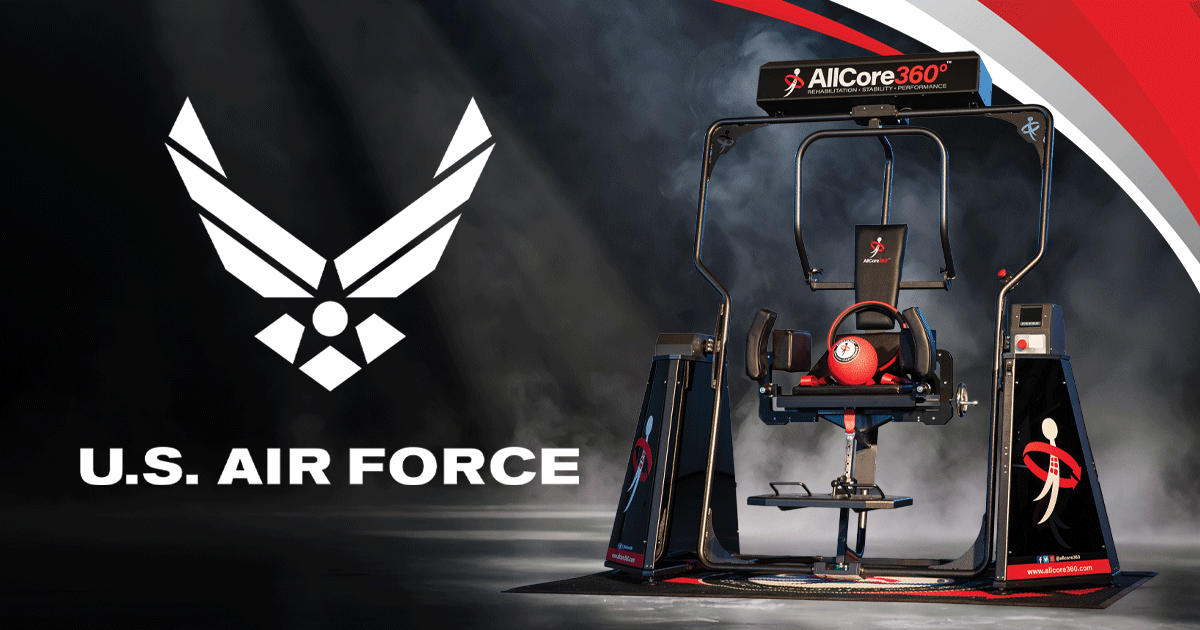
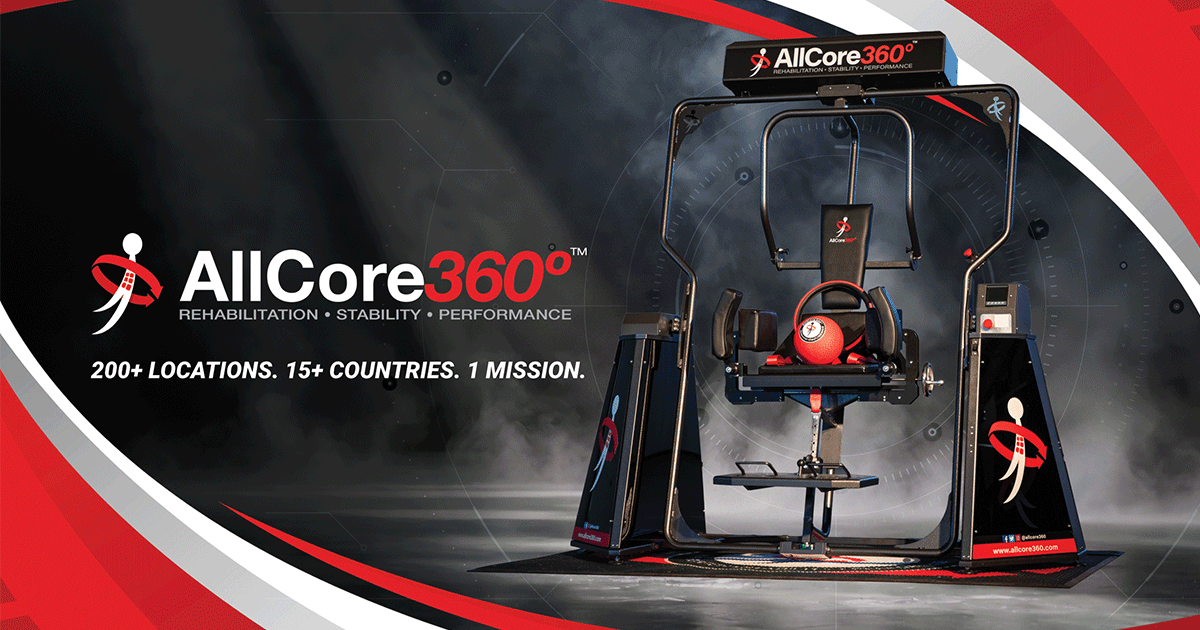
To address this gap, advanced neuromuscular training tools like the AllCore360 have been incorporated into performance and rehabilitation environments supporting pilot readiness.
The AllCore360 utilizes isometric neuromuscular activation to engage the full 360-degree core system without placing excessive strain on joints or the spine. This allows pilots to train the exact muscular patterns required during high-G exposure in a controlled, repeatable environment.
Pilots using AllCore360 as part of their conditioning protocols have demonstrated improvements in:
Unlike traditional exercises, which rely on movement, the AllCore360 emphasizes static, full-body tension—a direct parallel to the demands of AGSM.
At Nellis AFB, where advanced fighter pilot training takes place, performance optimization is mission-critical. Conditioning programs are designed not only to improve strength, but to ensure pilots can maintain physiological control under extreme stress.
The integration of neuromuscular activation tools into training environments supports several key objectives:
By strengthening the core and enhancing muscular coordination, pilots are better equipped to:
AllCore360 training reinforces the ability to:
High-G environments place repetitive stress on the spine and surrounding musculature. Improved core stability helps:
Neuromuscular activation also supports recovery by:
Facilities incorporating AllCore360 into pilot training and rehabilitation programs have reported:
Pilots often report a noticeable difference in their ability to engage and sustain core tension, which directly translates to improved performance during training exercises.
The effectiveness of AllCore360 in this environment is rooted in its alignment with the physiological demands of flight:
This creates a training modality that is not only effective—but also highly transferable to real-world flight conditions.
As fighter aircraft continue to push the limits of speed, maneuverability, and G-force exposure, the physical demands placed on pilots will only increase.
Optimizing human performance is no longer optional—it is essential.
The integration of neuromuscular activation technologies like AllCore360 into training environments such as those at Nellis AFB represents a forward-thinking approach to pilot readiness. By strengthening the core, enhancing neuromuscular control, and improving endurance, these tools help pilots perform at a higher level—safely, consistently, and effectively.
Stronger core. Better G tolerance. Safer, more effective pilots.
Dive deeper into the research driving AllCore360 and discover how neuromuscular activation is reshaping recovery, performance, and human potential. From clinical studies to real-world outcomes, explore the data, insights, and breakthroughs that show what’s possible when the body is trained from the inside out.
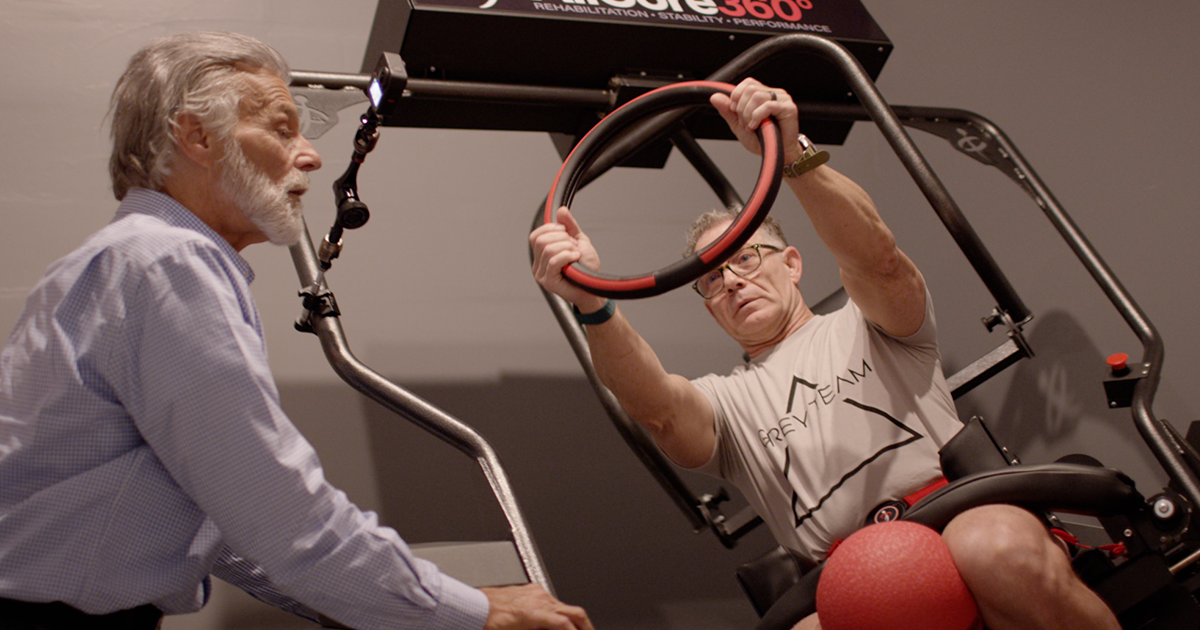
Grey Team is a leading veteran-focused performance and recovery organization.

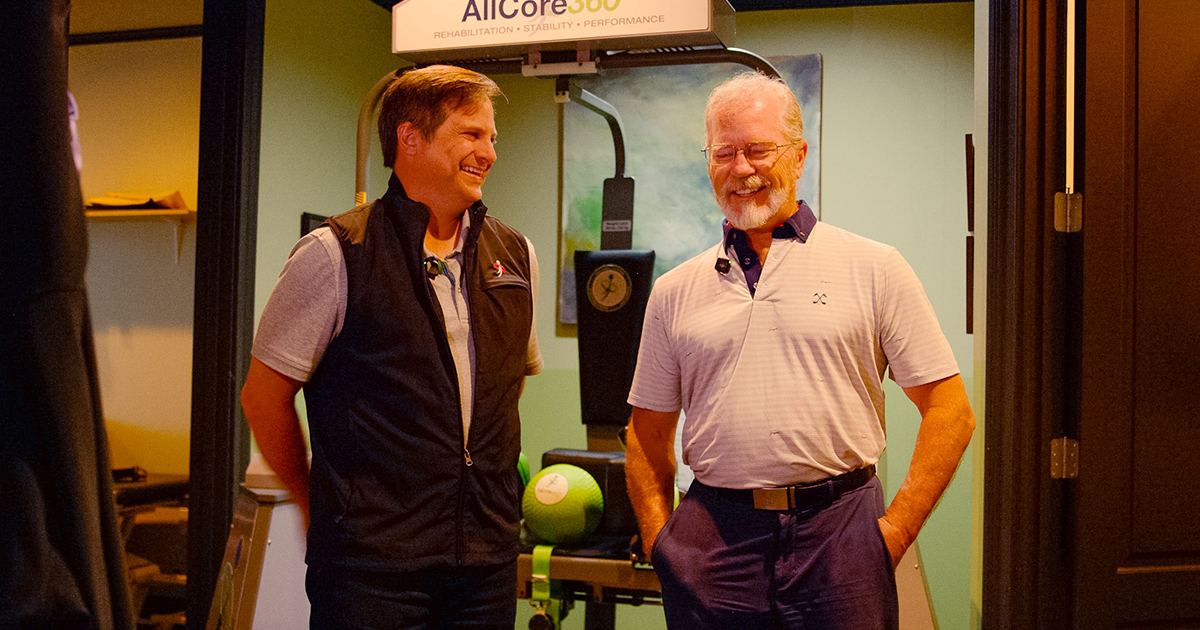
Pioneering Neuromuscular Activation with One of the First AllCore360 Systems
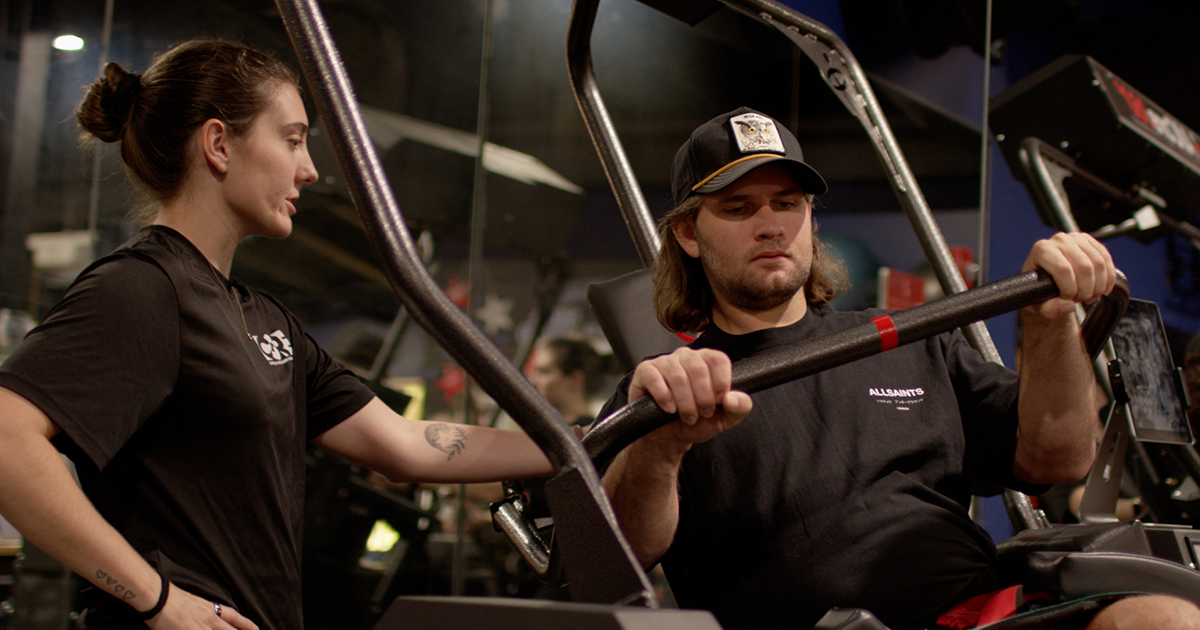
How The CORE Center in Orlando Utilizes AllCore360 Across Diverse Patient Populations